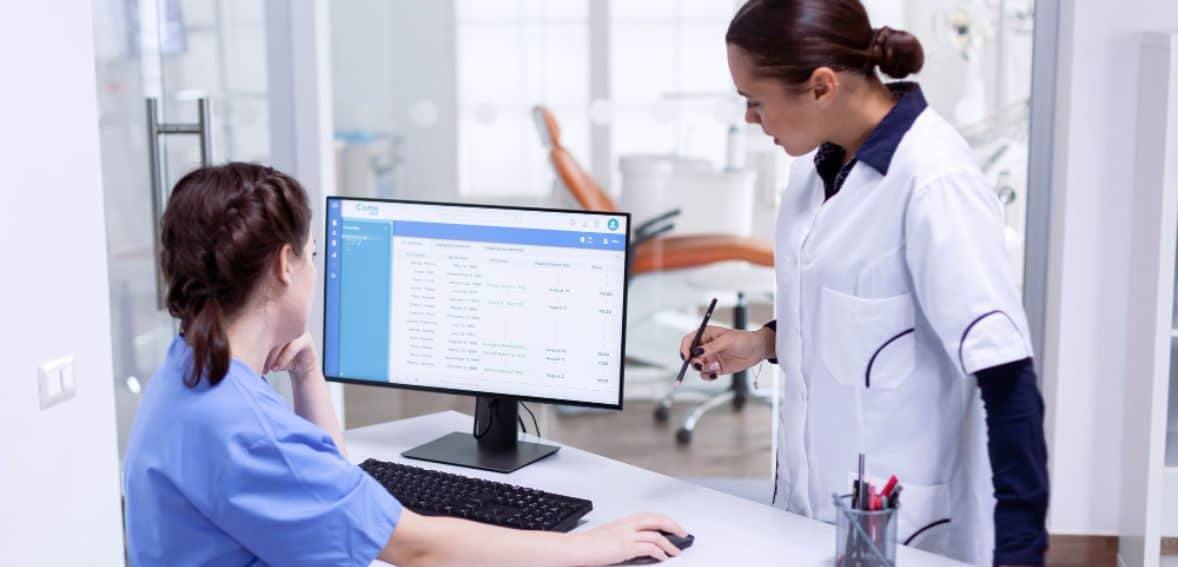
The digitization and storage of medical consent are becoming popular in the contemporary practice of healthcare. It has made it easier to collect, manage, and protect patient consent forms to avoid delays and risks of paper records. This shift to secure digital systems raises accuracy with minimal errors, enabling clinics to support privacy rules for a seamless patient experience from start to finish.
The Shift Towards Electronic Health Records
The shift to EHRs began when providers realized that the use of paper files created delays, errors, and storage problems. With growing complexity, it is no longer practical to rely on folders and handwritten notes. During the early 2000s, a shift began in hospitals and clinics toward digital systems by which information could be made more accessible and easily sharable.
Real action occurred after the HITECH Act of 2009 incentivized providers to begin adopting modern health technology. Since then, digital records have become the norm to coordinate care faster and more safely among doctors, nurses, and specialists without relying on legacy tools such as fax machines or paper charts.
Privacy for Patients In Contemporary Care

Maintaining the confidentiality of healthcare data is critical to uphold the trust within sensitive patient relationships, not to mention abiding by the increasingly strict privacy laws. Firstly, cybersecurity rules require healthcare organizations to regularly run routine risk assessments and establish error-reporting systems, train all staff in security practices, and ensure that patient information is shared only on secure channels. Secondly, even with all those controls in place, insider threats and human errors still put sensitive data at risk. That is why ongoing staff education and a culture of responsibility are important. Team members should show comfort in reporting any activity that seems unusual or unsafe.
Thirdly, health care providers are also deeply dependent on integration with external laboratories, radiology centers, and other various partners in the delivery of service. All these need to access health information of patients and should maintain a level of security that is similar to these organizations by adhering to requirements such as HIPAA compliance.
EHRs also play an important role in safeguarding patients’ privacy. As they are designed to be compliant, EHRs provide a secure means of storing, managing, and sharing information on patients. No system, however, is completely secure without proper use. Healthcare professionals need to know their legal and ethical responsibilities, from updates in the laws on privacy, and taking care with regard to patient data at all levels of information handling, to avoiding illegal leakage or sharing of data. Access to sensitive information must be granted only to those who will be directly involved in a patient’s care, and all digital systems must have strong passwords and proper practices of storage.
The protection of privacy also covers email and messaging tools. Emails containing ePHI should be encrypted whenever they are transmitted outside the secure network of the organization, and access to such accounts should be restricted to only the authorized persons. Wherever possible, staff should use de-identified data in which the name, address, and other personal attributes have been removed and replaced with coded identifiers. This reduces risk but still allows documentation to remain useful for the purposes of coordinating care.
Proper and relevant documentation also supports privacy. Records should not include information that is not directly relevant to the patient’s care. More personal information than what is deemed strictly necessary will serve to disclose the patient unnecessarily.
Artificial intelligence medical scribes also contribute to efficiency by reducing the time used in doing documentation without compromising accuracy and security regarding sensitive information. If data needs to be shared with any other healthcare provider or researcher, patients need to be informed transparently, with their consent.
Regular training keeps privacy practices fresh in the minds of the staff members. It is important for them to learn about data security, safe communication, and handling medical records appropriately. Potential risks can be found out in advance through regular audits of documentation and data practices. In case of a breach of privacy, timely and responsible action is required for notification of the patient, investigation of the cause, and follow-up actions to prevent recurrence.
Healthcare Data Storage Is Not Just Necessary for Regulatory Compliance
Health care data storage is a far more complex concept than it seems. While standards like HIPAA and PCI DSS set base expectations for security of sensitive information, health care organizations need to do much more than simply meet the minimum requirements laid down by regulatory agencies to manage today’s growing amount of patient data, expanding digital systems, and the expanding threat of cyberattack.
Health data today includes medical histories, insurance details, demographic information, and operational records. Since this information crosses various platforms, providers, and external networks, robust data practices become the cornerstone for seamless, safe, and continuous patient care.
One of the major reasons for strengthening data protection is interoperability. A modern health system requires rapid and accurate data exchange; even partial gaps can disrupt the whole treatment experience of a patient. If records are transferred from one provider to another, even small mistakes or weaknesses concerning security lead to information loss, delays, or unauthorized access.
Health care organizations must invest in reliable tools, updated technologies, and clear internal processes in order to make every data exchange secure, clear, and consistent. This not only protects patient information but also supports the idea of coordinated care, which is becoming increasingly important today.
Another critical factor is patient trust. People entrust health care providers to safeguard personal information, and security breaches can seriously undermine confidence. When an organization goes beyond minimum requirements and applies more robust safeguards, it proves its commitment to patient well-being.
Safeguarding stored data also serves to enhance well-rounded, long-term care. Accurate records, secure clinical systems, and stable data environments all help to prevent possible disruption in future visits, emergencies, or treatment plans.
Finally, there are the long-term operational benefits that come with better storage and management of data. Optimization of storage and infrastructure provides insight to health care teams about how their overall systems are performing, where improvements are needed, and how resources can be used more efficiently.
Health care organizations reduce costs, improve performance, and make data more accessible to doctors, nurses, and administrators by updating the storage architecture and removing outdated or inefficient systems. In return, IT teams receive better visibility and the ability to protect systems more effectively. Therefore, it can be said that strengthening storage strategies today helps health care organizations tackle future demands, new technologies, and continued growth in patient data.
Benefits of Digitizing Medical Records

Digitization of medical records has transformed the way healthcare works, making information more accessible, secure, and user-friendly to store and share. When records go from paper to digital systems, physicians and nurses have quick access to details about the patients at all times, helping them make better decisions. Patients feel confident in their digitally stored information because they know that their physician has everything in one place.
The digital record further helps to reduce mistakes because all updates happen in real time, and all teams get to see the same information. Hospitals save money because they no longer need large storage rooms or hours of manual paperwork.
Digital systems contribute to a cleaner environment by cutting down the huge amount of paper that hospitals normally use. On the security side, digital systems offer strong protection against data loss, hacking, or unauthorized access. Digitization of medical records, on the whole, enhances patient care, saves costs, and contributes to a more organized and responsible health system.
Overcoming Challenges In Digitization
There are clear advantages of digitization and storing consent forms, but the transition also brings a few challenges that must be carefully addressed by healthcare organizations. For one, patient data security is of paramount importance, particularly considering how medical information breaches have already exposed a majority of the U.S. population over the years. Strong security controls and regular monitoring need to be implemented in order to protect consent records containing sensitive information.
The second challenge lies in interoperability, with many systems still failing to facilitate seamless data exchange, leading to delays and confusion in the course of coordinating care. Training staff on the use of new digital tools is also vital since ditching paper requires a mindset change throughout every level of an organization.
While the initial setup can feel overwhelmingly costly, the long-term time and accuracy gains with digitized consent forms pay off. Equipped with the right technology, clearly defined workflows, and a proactive attitude, healthcare facilities should be able to store and manage consent records in a far more secure, efficient, and confident manner.
Best Practices for Transitioning to Digital Medical Records
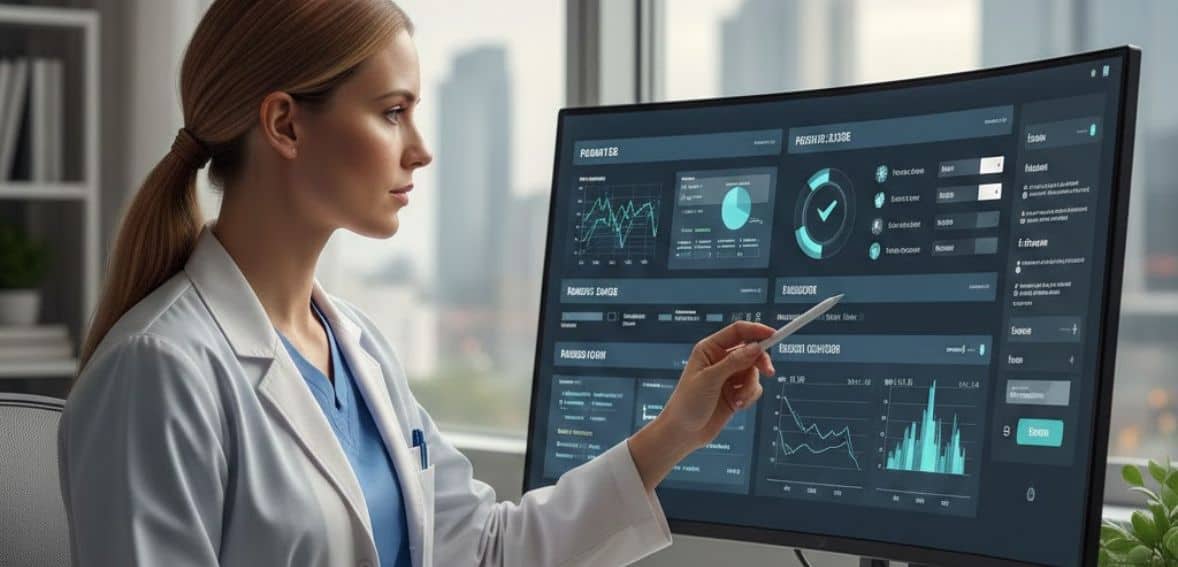
It’s much easier to transition into digital medical records when facilities know what set of best practices to follow. Planning begins first, where teams identify their goals and define exactly what they want the new system to achieve. Not everything needs to be digitized immediately, so priorities are sorted by the most important and frequently used documents.
This helps to prevent disruptions in one’s day-to-day workflow. Firstly, the quality of data should be considered to catch and correct errors early. Storage must be secure, particularly amidst the increasing cyber threat landscape. That means using encrypted systems, creating regular backups, and implementing strict access control.
Additionally, training should be provided for the staff on an ongoing basis so that they have the ability to confidently use new digital tools in an effort to streamline workflows. Finally, regular audits are needed to ensure this system stays compliant and has smooth functionality. These simple steps will help healthcare teams make the switch to digital records less stressfully and improve the care given to their patients, along with the general flow of operations.
Key Features In a Digital System
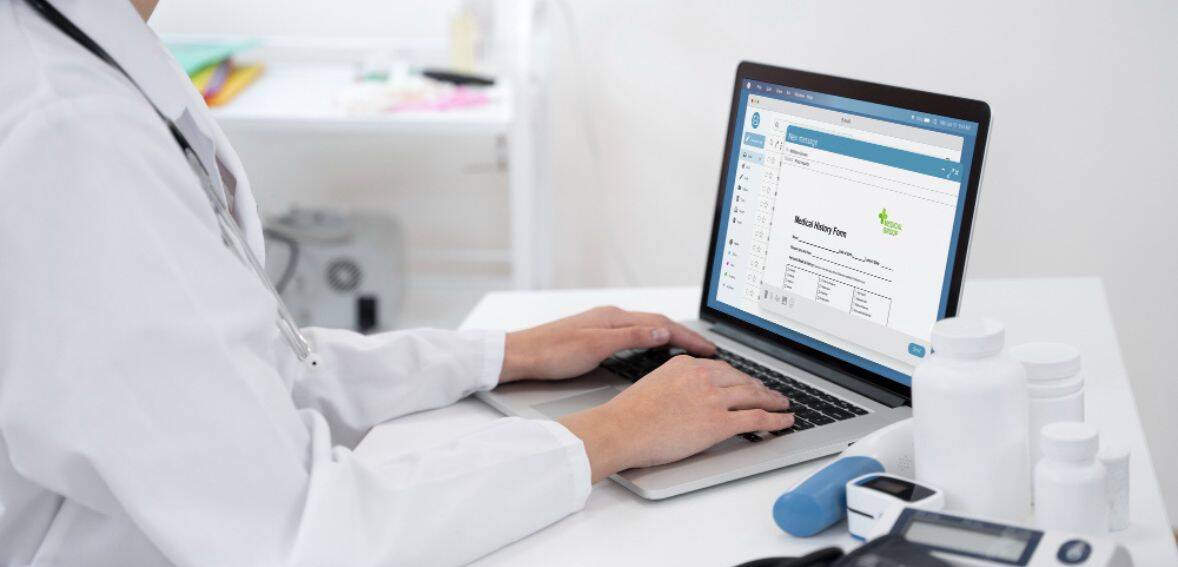
A strong digital consent system contains a number of key features to support both compliance and smooth operations: firstly, secure electronic signatures ensure each consent is legally valid. Secondly, customizable forms allow clinics to create versions that fit specific treatments or internal policies. Thirdly, version control ensures patients sign the latest approved form, without confusion and outdated approvals. Next, audit trails keep detailed records of every action, which is important for legal and regulatory checks.
Additionally, integration with EMR systems keeps all patient information linked and consistent. Patient portals make it easy for individuals to review and sign forms from home, reducing appointment delays. Automated reminders help patients complete required forms on time, improving preparation and reducing no-shows. Together, these features provide a reliable and efficient system to support privacy, compliance, and a better experience across the board.
How to Successfully Implement Digital Consent in Your Clinic

It has become so much easier to implement digital consent software at your clinic by following a few practical steps. First, carefully observe the current workflow process at your place and look for delays, gaps, or extra work that slows things down. Once you understand where problems arise, choose a digital consent system that works well with your current EMR or medical cloud software, so your team doesn’t have to struggle with multiple tools.
Make sure your staff is fully trained on how to work the new system; confident and prepared team members let the transition go much faster. It will also help to explain digital consent to your patients by highlighting how this approach secures information and speeds up time spent at visits. Finally, keep reviewing periodically and updating your digital consent forms to stay in line with new rules and changes in health care practices. This kind of ongoing attention ensures your system continues to be secure, accurate, and easy to use for one and all.
Modern Trends In Health Care Data Storage
Modern trends in consent digitization and storage are changing how health care organizations protect, manage, and use consent records. As digital tools grow, IT teams and professionals seek better ways of storing consent forms, managing approvals, and keeping the entire process transparent and secure. Such improvements reduce errors, speed up workflows, and promote high-quality patient care.
Firstly, the main change is the rise of cloud-based platforms for the storage of digital consent forms. Cloud-based systems offer scalable and flexible data storage, particularly useful for facilities lacking on-site resources. The cloud makes it very easy to store everything securely and safely, from the collection of digital signatures to authorization forms and consent updates. This also allows for real-time access, so it’s easy for medical experts to view a patient’s consent status from any location. This really helps during remote consultations and when quick decision-making is necessary.
Secondly, Artificial intelligence and machine learning are also becoming important in consent management. These technologies can sort through large sets of consent records, flag missing approvals, and highlight inconsistencies. They help to ensure experts always work with the most accurate and updated information. Investment in modern infrastructure keeps consent data organized and ready when required.
Thirdly, another major trend is improved analytics and visualization for consent tracking. Many of the new platforms provide clear dashboards showing the status of forms, upcoming renewals, and historical consent data. The staff can use these tools to understand patterns, reduce delays in administration, and communicate more clearly with their patients. They also provide a seamless way for patients to review what they have agreed to; this builds confidence and transparency.
In short, modern consent digitization and storage tools have made the whole process far more reliable and efficient. Experts waste less time since they will not have to search through paper files or outdated systems for particular information. Patients see an improvement in clearer communication, faster processing, and increased protection of their personal information. These trends have helped to eliminate delays, reduce errors, and facilitate coordination across the health care system.
Conclusion
For modern healthcare practices, digitization and secure storage of medical consent forms are no longer options. This strengthens privacy, reduces administrative work, and ensures patients receive clear and consistent communication. With the right digital tools in place, combined with best practices, clinics can protect patient information, stay compliant with evolving regulations, and build a smoother, more efficient workflow for both staff and patients.
FAQs
Why is digital consent more powerful than paper forms?
Digital consent minimises errors and saves time, keeping records secure while making forms more accessible for both patients and staff.
Are digital consent forms legally valid?
Yes, if the system uses compliant electronic signatures. Such features are compliant with legality and medical documentation.
Can patients sign consent forms from home?
Most digital consent systems provide a secure patient portal. One can review and sign forms remotely prior to his/her appointment.
How do digital systems enhance privacy?
They utilize encryption, access controls, and audit logs. These tools are used to help safeguard sensitive information against unauthorized access.
Do digital consent tools integrate with EMR software?
Many systems integrate seamlessly with EMRs, making the patient records organized and further minimizing extra work for the staff.
Leave a Reply